

KNYSNA NEWS - Recent claims that Knysna is still on a list of 75 failed municipalities are based on outdated information. So said Acting Municipal Manager Manqoba Ngubo after a Strengthened Section 154 steering committee meeting held on 9 July with the director-general of the Western Cape Province, Dr Harry Malile, the head of the provincial department of local government, Graham Paulse and other stakeholders. That information "does not reflect the progress made through the current recovery programme", Ngubo said.
The presentation highlighted that significant progress has been made on priority interventions aimed at improving water security, wastewater management and long-term service delivery across the greater Knysna municipal area.
Ngubo said the latest national report, based on the Auditor-General's outcomes, identifies only three municipalities in the Western Cape facing the most severe governance and audit challenges, and Knysna is not included among them.
'Substantial progress'
"While the municipality acknow-ledges that significant work remains, it is equally important that public commentary reflects the substantial progress achieved through ongoing governance reforms, infrastructure investment and the strengthened Section 154 support process," he said.
The progress made on key infrastructure projects over the past several months is measurable.
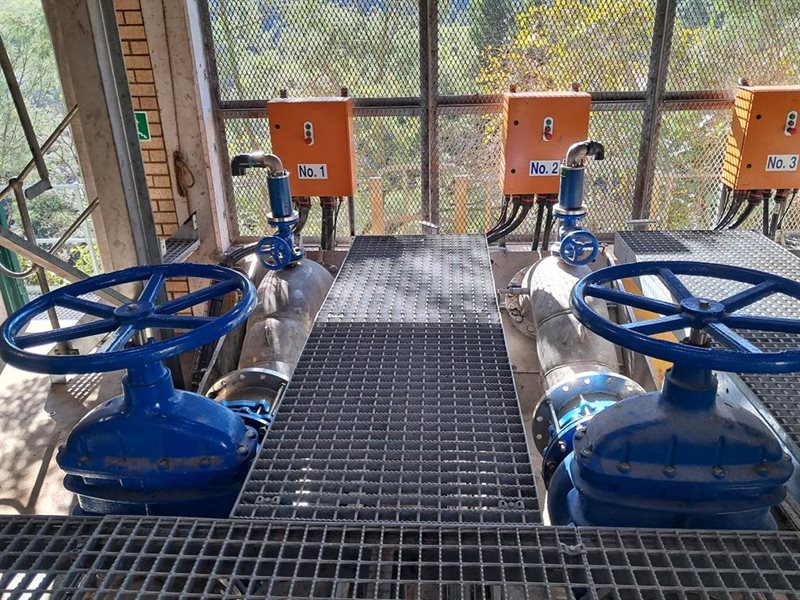
Critical pumping infrastructure has largely been restored. The Charlesford Pump Station is once again operating with two pumps, while the Akkerkloof, Eastford and Gouna pump stations are fully operational. Work is continuing to increase pumping capacity at Akkerkloof, and upgrades at the Glebe pump station remain on schedule.
As part of its water demand management programme, the municipality has installed the first 1 000 conventional water meters. The next phase will reconcile consumption data with the municipal financial system before about 7 000 additional meters are rolled out, subject to council approval. Ngubo said the project will improve billing accuracy, strengthen water management and reduce water losses.
Alternative water sources
He also highlighted progress in expanding alternative water sources. "The rehabilitation of existing emergency boreholes has been completed, while six additional boreholes have been approved for development. Progress is also being made with the Bongani and Bigai spring developments, the Glebe pipeline installation and planning for the rehabilitation of the Arch Dam borehole cluster," he said.
Preparations are also under way for the installation of bulk and zonal meters, telemetry upgrades, improvements to wastewater treatment works, the replacement of the Khayalethu sewer bridge crossing, and longer-term contracts for the repair and installation of water and sewer pumps.
Committed to address challenges
Progress reports presented to the steering committee reflect the progress made through the municipality's recovery programme. "Today's presentation reflects the commitment of the municipality, with the assistance of our provincial and national partners, to address longstanding infrastructure challenges. While important work still lies ahead, we are encouraged by the tangible progress already achieved across a number of projects that will strengthen both our water supply and sanitation systems."
As projects are completed, residents will increasingly begin to see the benefits, Ngubo said. "Infrastructure recovery is a process, not an event. Every completed project improves the resilience of our network and strengthens our ability to deliver reliable services. We remain focused on implementing sustainable solutions that will benefit our communities for many years to come."
‘We bring you the latest Garden Route, Hessequa, Karoo news’