

PLETTENBERG BAY NEWS - For now, the true identity of the vessel remains unknown - a mystery hidden beneath the sand for centuries and revealed only when nature occasionally decides to uncover it.
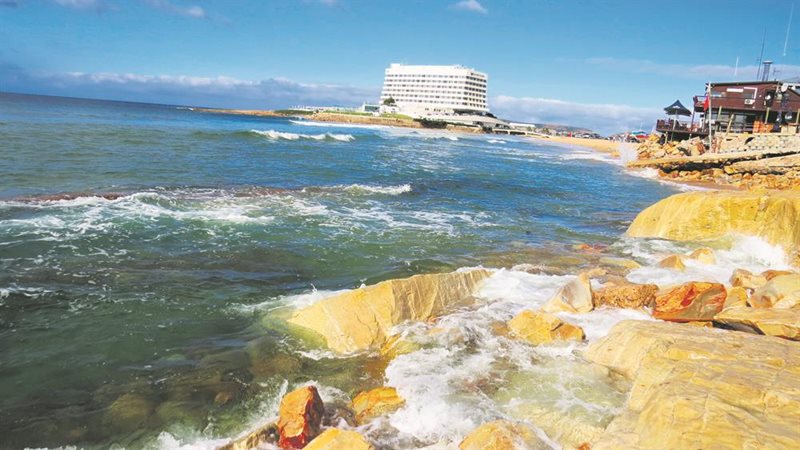
Following the recent devastating coastal storms, the weathered remains of a historic wooden shipwreck have resurfaced on Central Beach near Beacon Isle, drawing widespread attention from residents, tourists and historians.
The exposed wreck is partially buried in the sand just left of the Plett Ski Boat Club and NSRI building when facing the sea.
Timber ribs and fragments of the hull have become visible after layers of sand were stripped away along the shoreline during the severe weather.
Municipality urges public to protect site
As curiosity surrounding the wreck continues to grow, Bitou Municipality has issued a public notice urging residents and visitors not to interfere with the site or remove any material connected to it.
In a statement issued on behalf of Acting Municipal Manager FR Williams, the municipality reminded the public that the wreck and any related debris are protected under the National Heritage Resources Act.
"Members of the public are strongly urged not to remove, damage, disturb, collect, or interfere with any part of the site or any objects associated with it," the statement read.
The shipwreck forms part of South Africa's protected cultural and historical heritage and may not be salvaged or removed without the necessary legal authorisation from heritage authorities.
Residents were also encouraged to report any suspicious activity or unlawful removal of material from the area.
A discovery seen before
Although the latest discovery has fascinated many beachgoers, historians believe this is not the first time the vessel has emerged from beneath the shifting sands.
Historical reports indicate that a similar - and likely identical - wreck was exposed in 2015 after heavy storms caused severe erosion near Central Beach and The Wedge.
At the time, marine archaeologist John Gribble investigated the site on behalf of the South African Heritage Resources Agency (Sahra).
Despite detailed examinations, researchers were unable to conclusively identify the vessel.
However, the possibilities were narrowed down to four ships known to have been wrecked in Plettenberg Bay during the 1800s: the Eaglet, Agnes, Christina, and Waif. One of the strongest possibilities remains the Agnes, a Cape schooner believed to have been wrecked in Plettenberg Bay in 1882.
Clues hidden in the timber
Several important findings suggest the exposed vessel dates back to the late 18th or 19th century.
Investigators previously discovered that the wreck had been constructed using oak timber, which is not native to the region, indicating the ship was likely built elsewhere before sailing to South African waters.
Researchers also identified evidence of copper sheathing on parts of the vessel - a technique commonly used on ships from the late 1700s onward to protect wooden hulls from marine growth and wood-boring organisms.
Historical records suggest the wreck has surfaced multiple times over the decades, including sightings in the 1970s, 1992 and again in 2015, before being buried beneath the sand once more.
‘We bring you the latest Garden Route, Hessequa, Karoo news’