

NATIONAL NEWS - The number of gastrointestinal illness cases linked to contaminated water in Bronkhorstspruit, Tshwane, has more than doubled to 833, prompting continued intervention by national government and water authorities.
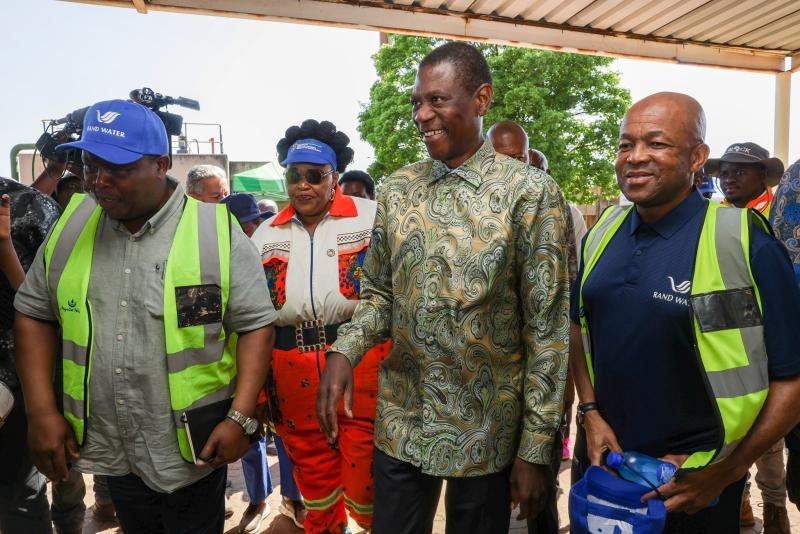
The updated figure was announced on Monday, 26 October, by Water and Sanitation Minister Pemmy Majodina during a visit by the Inter-Ministerial Committee (IMC) on Water and Sanitation, led by Deputy President Paul Mashatile.
The number of reported cases has increased from 408 at the time of the previous briefing. No critical cases or deaths have been reported so far.
Majodina said the Bronkhorstspruit Water Treatment Plant had been shut down, but water that had already been treated and distributed before the closure may have contributed to the increase in cases.
She added that some residents had continued using water stored in containers, despite the closure of the plant and the deployment of water tankers to provide alternative supplies.
Repairs underway at treatment plant
Four water pumps have been installed at the Bronkhorstspruit Water Treatment Plant as work continues to restore its operations.
According to Majodina, the facility has two phases, and the rehabilitation process will begin with Phase 1 rather than attempting to restore the entire plant at once.
Rand Water has been instructed to lead the work and ensure that any water supplied when operations resume is safe for consumption. The municipality must continue arranging alternative water supplies while repairs are underway.
Mashatile said Rand Water was leading a multidisciplinary team working at the plant on behalf of the national department and in collaboration with the municipality.
He said the repairs were expected to take several weeks, although a firm completion date could not yet be provided.
The plant has been shut down to allow repairs and cleaning to take place, while residents are being directed to alternative sources of water.
The Deputy President stressed the need to intensify efforts to prevent further cases of diarrhoea and gastrointestinal illness.
Government audits water infrastructure
Majodina said government was auditing water treatment works to assess their condition, with particular attention being paid to Gauteng because of its large population and water supply challenges in some areas.
She said the country needed at least R400 billion to repair ageing water infrastructure.
The minister called for greater private-sector involvement in supporting municipalities, some of which lack the technology and resources needed to maintain water treatment facilities.
She also emphasised the importance of municipalities allocating sufficient funding to infrastructure maintenance to prevent further failures.
Concerns about chlorine supplies at the Bronkhorstspruit plant were also addressed. Majodina said sufficient stocks were available for the next six to seven weeks, with Rand Water and the City of Tshwane arranging additional supplies before existing stocks ran low.
Water tankers provide temporary relief
The City of Tshwane is providing free drinking water through tankers while the treatment plant remains out of operation.
However, Majodina cautioned that tankers were an emergency measure rather than a sustainable long-term solution, citing the cost to municipalities and the inconvenience for residents who need to locate distribution points.
She said reliance on tankers should, where possible, not continue beyond two to three months.
The minister also clarified that no link had been established between the water supply challenges in Hammanskraal and those in Bronkhorstspruit.
Authorities have not yet provided a definitive timeline for the restoration of the treatment plant, and the number of reported gastrointestinal illness cases remains a concern as efforts continue to restore safe water supplies.
‘We bring you the latest Garden Route, Hessequa, Karoo news’