

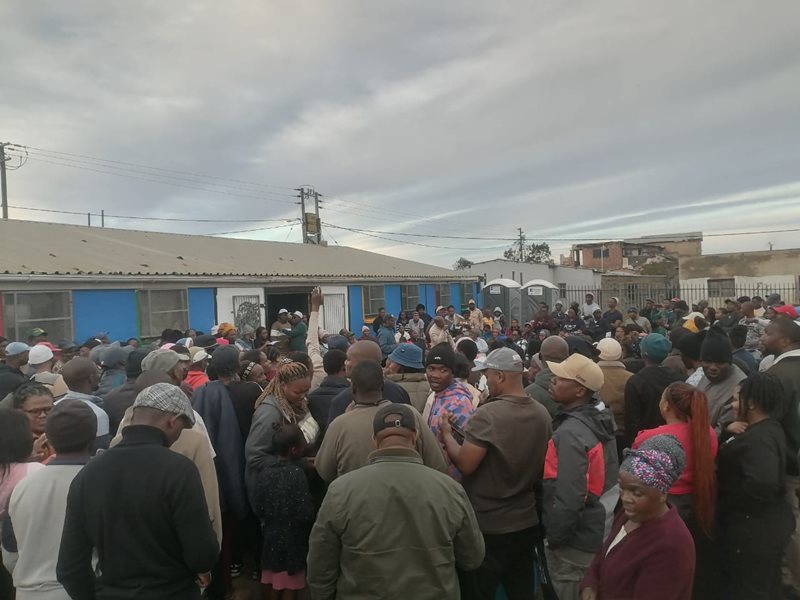
GEORGE NEWS - Shortly before President Cyril Ramaphosa addressed the nation at 18:00 last night, 7 June, on the government’s migration crisis plan, the residents of All Brick in Thembalethu, George, took to the streets against foreign nationals.
According to information, about 50 residents had left a community meeting held at the All Brick community hall and moved into the streets, targeting spaza shops owned by foreign nationals. Members of the Public Order Policing (POP) Unit intervened when the situation escalated and used one stun grenade to disperse the unruly crowd.
No injuries have been reported, and no further incidents were recorded.
By this morning, Monday 8 June, the situation in Thembalethu had stabilised, and the spaza shops reopened.
A provincial police spokesperson, Lieutenant Colonel Malcolm Pojie, confirmed that the POP remained deployed in the area this morning. “The situation in Thembalethu is being monitored and this morning it is calm,” he said.
George Herald reached out to the organisers of the meeting, but could not reach them on the provided cellphone numbers.
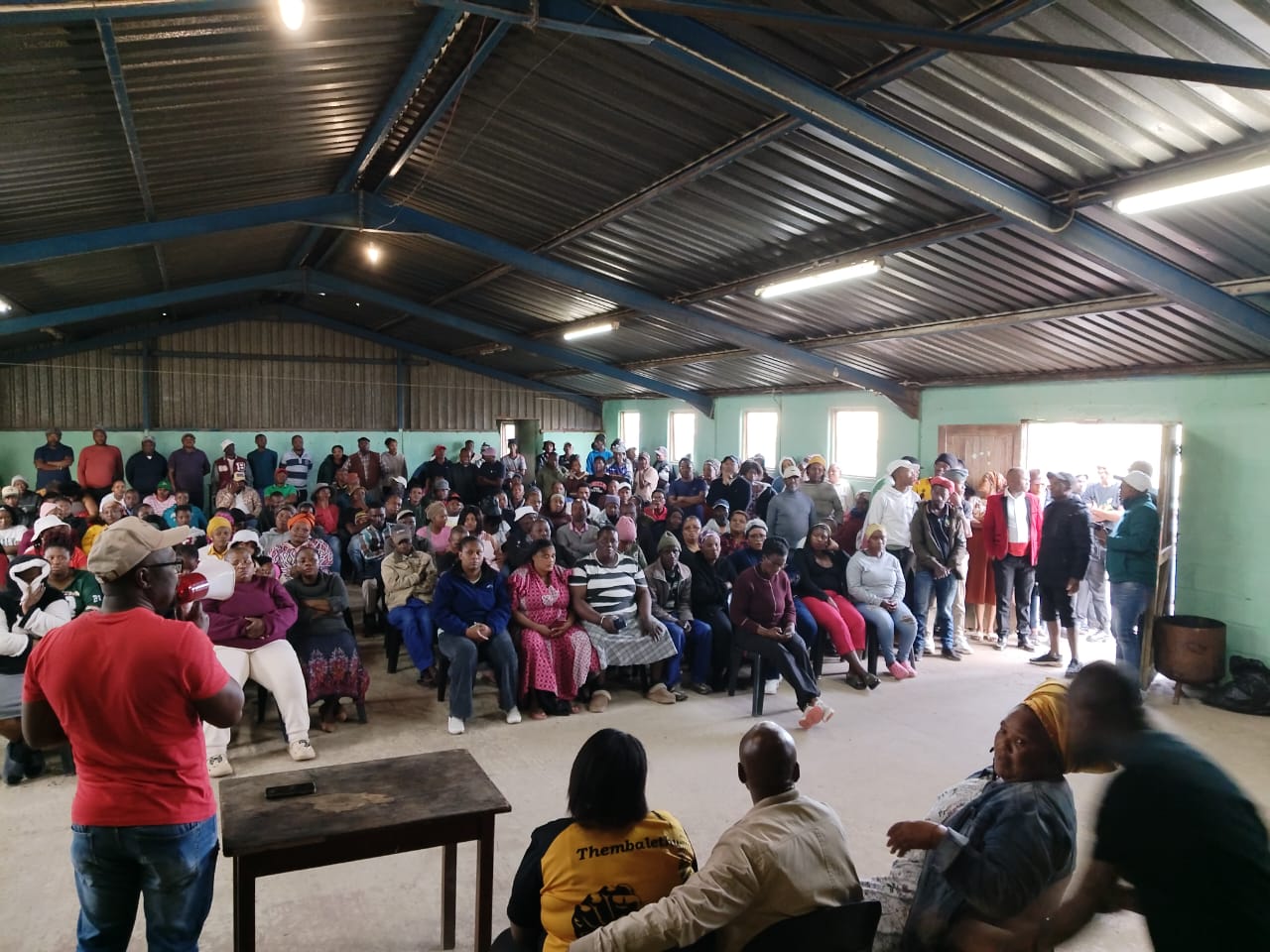 Residents at the meeting at the All Brick Community Hall on Sunday afternoon, 7 June.
To view a video by Garden Route Community TV of people taking to the streets in Thembalethu, click here: https://www.facebook.com/share/v/1H8NigaHpC/
'They have been here too long'
At the meeting, several residents said all foreign nationals must leave Thembalethu. “It’s the ANC’s fault that we are in this situation,” said one resident in a video taken during the meeting. “If we wait for Government to do something, we are going to wait forever. The immigration office and police must meet these foreigners outside Thembalethu. They have been here too long.”
After one of the organisers explained that there were processes in place for the role players to handle the situation, the resident said they did not understand why they had to wait. “In other places, they [the foreign nationals] have left the area and are on their way back to their countries.
They must leave Thembalethu and meet with home affairs and the police elsewhere, not in Thembalethu,” said the resident.
Ramaphosa recognises illegal immigration as a serious issue
In his special address to South Africans last night, Ramaphosa noted the growing public concern in South Africa about migration and illegal immigration, particularly regarding border security, jobs, pressure on public services, and community safety. He acknowledged these concerns as legitimate and deserving of urgent government attention.
He emphasised that South Africa’s economic challenges, especially unemployment and poverty, must be addressed through faster growth, investment and job creation, rather than blaming migrants. While recognising that illegal immigration is a serious issue, he stressed that it is not the root cause of the country’s difficulties.
Ramaphosa said only the state has the authority to enforce laws and warned against vigilantism, xenophobia and misinformation.
He highlighted weaknesses in the current immigration management, including corruption, enforcement gaps and system failures, and said these will be urgently addressed. He warned that illegal immigration can fuel crime, strain public services, undermine labour standards and disadvantage South African workers, particularly where employers exploit undocumented labour.
‘Migration crisis’ plan
The president outlined a government response, including stricter enforcement of immigration and labour laws, intensified border control, increased deportations, dedicated immigration courts, and stronger penalties for employers who break the law. He said Government would also expand labour inspections and recruit thousands of additional inspectors.
Ramaphosa said border security will be strengthened through improved technology, infrastructure and personnel, while refugee reception systems will be relocated closer to borders to improve efficiency. Immigration administration will also be modernised through biometric population systems, digital identity reforms, and the phasing out of outdated ID documents.
Legislative reforms will close legal loopholes, regulate the employment of foreign nationals more strictly, and introduce quotas for foreign labour in certain sectors. Small business regulation will also be strengthened, alongside support for South African entrepreneurs.
Ramaphosa said on regional level, South Africa will work with African partners and multilateral organisations to address the broader causes of migration, including conflict, poverty and underdevelopment.
‘We bring you the latest Garden Route, Hessequa, Karoo news’