

To the Editor, The recent hazardous waste spillage on the N2 served as a stark reminder of how quickly an environmental accident can disrupt Knysna, requiring urgent emergency intervention and significant municipal expense to rectify.
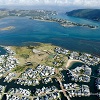
Yet, a far more persistent and damaging environmental crisis continues daily at the Queen Street storm-water inlet, right adjacent to our local waste transfer station.
Water quality testing at this specific inlet has repeatedly revealed dangerously elevated E. coli levels entering our lagoon.
While it remains difficult for residents to isolate precisely how much of this contamination stems from the waste transfer site versus human waste from the vulnerable, destitute living nearby, the fundamental issue is undeniable: human waste and untreated runoff are flowing directly into one of Knysnas greatest natural and economic assets.
It is difficult to reconcile the immediate, costly mobilization for an isolated roadside spill with the ongoing neglect of a chronic pollution source in the heart of our town.
Failing to provide basic sanitation facilities or dedicated ablutions for the vagrant population in this area is a glaring oversight. Leaving individuals without basic lavatories guarantees that our storm-water system acts as an open sewer straight into the lagoon.
Protecting the Knysna Lagoon requires more than reactive spill management on our highways; it demands proactive, basic infrastructure on our streets.
Providing accessible, dignified sanitation facilities at known hotspots is not only a human necessity, but an essential step toward safeguarding our environment, our local tourism economy, and public health.