

WESTERN CAPE NEWS - The thin layer of gas high above Earth may be easy to forget, but it plays a crucial role in protecting life on the planet.
On 16 September, the Western Cape Government joins countries around the world in marking World Ozone Day, officially known as the International Day for the Preservation of the Ozone Layer.
The annual observance highlights the importance of the ozone layer, while also celebrating what is possible when countries work together to tackle a global environmental threat.
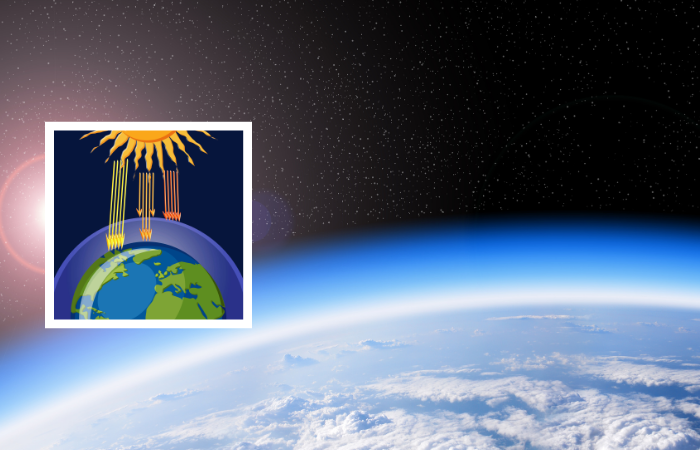
The ozone layer sits in the stratosphere, roughly 15 to 35 kilometres above Earth's surface. It contains relatively high concentrations of ozone, which absorbs much of the Sun's harmful ultraviolet (UV) radiation.
Without this natural shield, significantly more harmful UV radiation would reach the Earth's surface, increasing risks such as skin cancer and eye damage. Greater exposure could also affect ecosystems, agriculture and biodiversity.
A rare environmental success story
Ozone depletion became a major international concern because of human-made chemicals known as ozone-depleting substances.
These included chlorofluorocarbons (CFCs), which were widely used in refrigeration and air-conditioning equipment, aerosols and solvents.
As scientific evidence of damage to the ozone layer grew, countries came together to address the problem.
On 16 September 1987, they adopted the Montreal Protocol on Substances that Deplete the Ozone Layer, establishing measures to phase out the production and consumption of ozone-depleting substances.
The agreement is widely regarded as one of the world's most successful environmental treaties.
South Africa is a signatory to the Montreal Protocol and its Kigali Amendment, which extends international efforts to phase down hydrofluorocarbons (HFCs). These substances do not deplete the ozone layer in the same way as CFCs, but many have a high global warming potential.
The transition towards more climate-friendly cooling technologies therefore has benefits beyond the ozone layer, helping to support efforts to reduce greenhouse gas emissions.
Why the ozone layer still matters
For most people, ozone protection is not something they think about during their daily routines. Yet the benefits are felt every time the ozone layer absorbs harmful UV radiation before it reaches the surface.
Protecting it is also a reminder that environmental problems that cross national borders require solutions that do the same.
The Western Cape Government says the lessons of the Montreal Protocol remain relevant as the world deals with interconnected challenges including climate change, air quality, biodiversity loss and resource pressures.
Provincial efforts include promoting cleaner technologies, responsible environmental practices and greater awareness of how individual choices can contribute to a healthier environment.
The cooling connection
This year's theme, “Global action for a cooler planet – Celebrating 10 years of sustainable cooling under the Kigali Amendment to the Montreal Protocol”, puts the relationship between ozone protection and climate action in the spotlight.
Cooling is increasingly important as temperatures rise and demand for refrigeration and air conditioning grows. The challenge is to provide cooling while reducing the environmental impact of the technologies and refrigerants being used.
That makes the choices made by households, businesses and industries increasingly important.
Residents can contribute in several practical ways:
- Choose cooling equipment wisely: When buying air conditioners or refrigeration equipment, look for energy-efficient models and consider their environmental performance.
- Look after your appliances: Proper maintenance can help air-conditioning and refrigeration equipment operate efficiently and reduce the risk of refrigerant leaks.
- Use energy efficiently: Switching off appliances when they are not needed and using energy-efficient equipment can help reduce unnecessary electricity consumption and emissions.
- Reduce waste: Buying only what is needed, reusing where possible and recycling appropriate materials can reduce the environmental impact associated with production and disposal.
- Think about the bigger picture: Environmental choices that reduce energy use and emissions can contribute to broader climate goals while supporting a healthier environment.
A lesson in what cooperation can achieve
Minister Anton Bredell, Provincial Minister of Environmental Affairs and Development Planning, said the protection of the ozone layer demonstrates what can happen when scientific evidence is matched by international cooperation and practical action.
“The protection of the ozone layer is one of the clearest examples of what we can achieve when science, international cooperation and practical environmental action come together,” Bredell said.
He said the Western Cape remained committed to cleaner technologies, responsible environmental practices and protecting the health and wellbeing of residents and the natural environment.
“A cooler planet starts with collective action, and every contribution matters,” Bredell said.
World Ozone Day is therefore about more than remembering an environmental problem from decades ago. It is a reminder that coordinated action can work – and that the same principles of science, cooperation and shared responsibility remain important as the world confronts today's environmental challenges.
The story of the ozone layer offers a reason for optimism: when countries recognise a common problem and act together, meaningful environmental change is possible.
‘We bring you the latest Garden Route, Hessequa, Karoo news’