

KNYSNA NEWS - Knysna is facing an acute water supply emergency that now demands urgent, collective action. Akkerkloof Dam, the municipality's primary water source, has dropped to approximately 20% capacity.
At current usage, this equates to an estimated 13 days of available water.
Without an immediate and sustained reduction in consumption, the risk of severe supply disruptions is imminent.
"With no meaningful rainfall in sight and only about 13 days of water remaining in the system from Akkerkloof Dam, this is no longer a warning, it is a crisis. Community co-operation is no longer optional; it is absolutely critical," stressed Knysna Mayor Thando Matika.
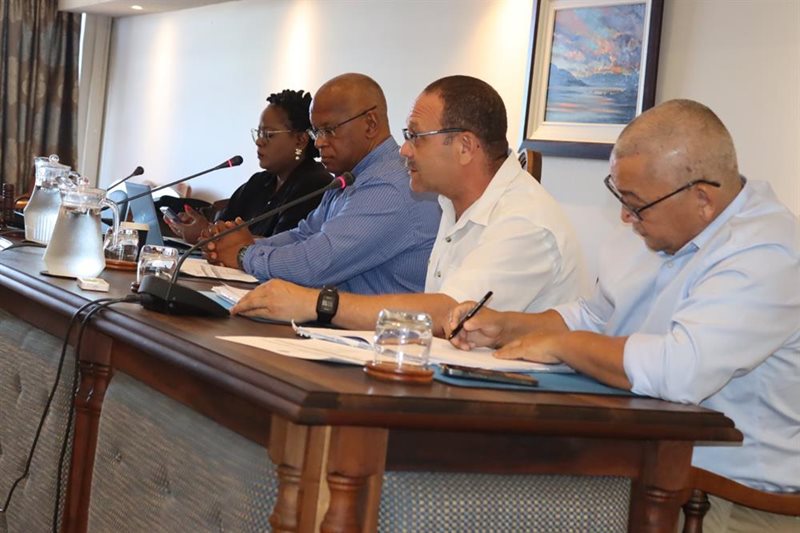
All key stakeholders convened on Tuesday 6 January, for their weekly joint operations committee (JOC) meeting.
Participants included the National Department of Water and Sanitation (DWS), the Western Cape Department of Local Government, Knysna Municipality, the Breede-Olifants Catchment Management Agency (Bocma), and the Garden Route District Municipality..
The committee said that, although the balancing dam is currently at around 90%, it cannot offset the rapid decline of water in the Akkerkloof Dam.
Prolonged dry conditions, negligible river inflows, and persistently high demand have created an unsustainable situation. The JOC agreed that urgent demand reduction is non-negotiable and that alternative water sources must be actively pursued.
Immediate, intensified response
According to the South African Weather Service, there is a possibility of isolated light rainfall in the short term.
However, this is unlikely to generate meaningful inflows into the dam system.
Below-normal rainfall is forecast for the southern coast in the first quarter of 2026, significantly increasing the risk of the crisis deepening.
The JOC has intensified immediate response measures, inclu-ding direct communication with the municipality's top 100 water consumers, stronger water conservation and demand management initiatives, tighter regulation of car wash operations, accelerated leak detection and repair through trained community plumbers, and stricter enforcement of level 4 water restrictions.
Compliance monitoring will be expanded, with particular focus on high volume usage and repeat offenders.
Should consumption not imme-diately drop sharply, more drastic interventions, including level 5 restrictions and possible water rationing, may be unavoidable.
Knysna Municipality will roll out an intensified public awareness and participation programme to ensure residents, businesses and visitors fully understand the severity of the situation and their responsibilities.
Engagements will include community meetings, education campaigns, school outreach, and co-ordination with business forums.
Every household, business and visitor is urged to reduce usage immediately, report leaks or water wastage, and comply fully with existing restrictions. Further updates will be issued as the situation evolves.
‘We bring you the latest Garden Route, Hessequa, Karoo news’