

KNYSNA NEWS - A municipally owned property in Karatara has been identified as a potential pound facility for stray livestock.
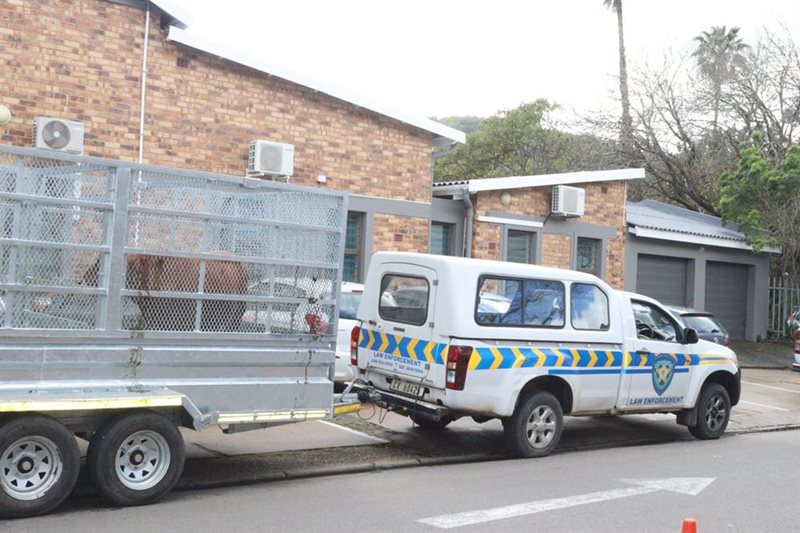
"This municipality has a mandate to impound stray and wandering animals to protect public safety, road users and private property," explained acting municipal manager Boy Ngubo.
"We have identified Erf 240 in Karatara as a suitable site. It spans just over 2.4 hectares, is zoned Agricultural Zone 1 and, while centrally located in terms of the municipal area, is set away from local residential areas."
As Knysna does not currently have a dedicated municipal pound facility, stray livestock were previously transported to the George SPCA at high cost and with much delay. This practice has been halted due to the national scourge of foot-and-mouth disease.
The municipality said establishing a local pound ought to improve response times, reduce costs and improve animal welfare. Appropriate fines and reclamation fees will be issued in compliance with the Animal Keeping and Pound By-law.
"Relevant by-laws set out specific conditions regarding the impoundment of animals," said Ngubo. "These will be strictly adhered to should the local pound be established."
He said the projected cost implications will include the construction of the pound itself, ramps, storerooms, electric fencing, office and ablution facilities and the appointment of relevant management and maintenance staff.
While no funds have been approved for the establishment of the planned facility in the 2026/27 capital budget, the Council has resolved to make an amount of R1.15m available as a matter of urgency to establish and operate the facility, should it be finally approved.
"This includes a once-off capital cost of R650 000 for site preparation, levelling and drainage, fencing, two converted containers, provision of water and electricity, a 10 000-litre water tank, signage, equipment and more," Ngubo explained.
"It also includes an operational cost of R500 000 in the current financial year for a pound ranger, assistant, part-time veterinarian, animal feed, waste disposal, water, electricity, fuel, maintenance and other operational factors."
The Directorate of Community Services will develop a Municipal Animal Pound Management Protocol in consultation with the legal services department, while the Property Section has been mandated to start the relevant public participation process.
"We take the welfare of all animals very seriously, as well as our responsibility to ensure that welfare," Ngubo concluded. "The establishment of a municipal pound will not only remove the potential dangers associated with wandering livestock, but will allow us to perform this function while maintaining the animals' well-being and dignity. I urge all interested parties to keep an eye on the local media and our social media platforms to take part in the public participation process. Let us solve this problem together."
‘We bring you the latest Garden Route, Hessequa, Karoo news’