

PLETTENBERG BAY NEWS - Although Bitou Municipality says its newly approved 2026/27 budget reflects a collective commitment to building a resilient, inclusive and service-oriented municipality, some residents have raised doubts about whether enough funding is being directed towards critical water and sanitation infrastructure.
The municipality's Medium-Term Revenue and Expenditure Framework (MTREF) and Integrated Development Plan (IDP) were approved during a special council meeting on Friday 29 May, setting the course for more than R1.35b in operational and capital spending over the next financial year.
Soon after the budget approval was announced on social media, resident Isabela Dos questioned the municipality's spending priorities.
"Almost 50% of the budget on salaries, contractors and councillor pay. Key water and sewerage infrastructure not prioritised and insufficient to provide sustainable services while approvals of new developments proceed," she wrote, adding that taxpayers and ratepayers continue to face increases above inflation. Other comments also reflect ongoing public concerns around infrastructure capacity, particularly as development continues across Bitou.
Municipal leaders, however, argue that the approved budget balances service delivery obligations, infrastructure investment and financial sustainability while continuing to support vulnerable households.
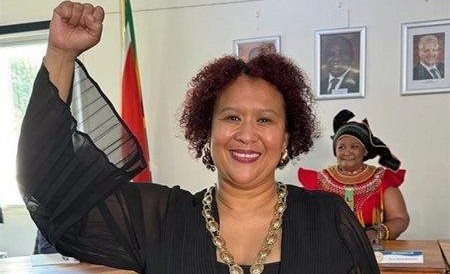
Presented by Chief Financial Officer Christopher Mapeyi on behalf of Mayor Jessica Kamkam, the budget focuses heavily on maintaining municipal services, upgrading ageing infrastructure and creating capacity for future growth.
Budget highlights
The municipality's operating revenue budget for 2026/27 amounts to R1.139b, while operational expenditure is budgeted at R1.113b.
According to municipal figures, the largest expenditure items remain employee costs and bulk purchases, which together account for 61% of total operating expenditure.
Operating budget
- Revenue and expenditure
- Operating revenue: R1.139b
- Operational expenditure: R1.113b
- Revenue growth projected at 5.2%
Major expenditure items
- Employee-related costs: R405.6m (36%)
- Eskom electricity purchases: R269.9m (25%)Contracted services: R132.2m (12%)
- Debt impairment and depreciation: R76.4m (7%)
- Other operational costs: R100.1m (9%)
The municipality has also budgeted for a 4.75% salary increase in line with collective bargaining agreements and inflationary pressures.
Municipal officials noted that employee-related costs remain within accepted local government norms and include allocations for the Expanded Public Works Programme (EPWP).
Infrastructure and service delivery spending
The municipality says direct service delivery departments account for nearly 63% of the total annual budget.
Service delivery allocations:
- Electricity services: R331.97m
- Water services: R76.89m
- Solid waste management: R79m* Wastewater management: R57.76m
- Roads and stormwater: R40.13m
- Community, housing, public safety, social services and recreation: R528.12m.
Alongside operational spending, the municipality has approved a R210.2m capital budget, with approximately 95% directed towards infrastructure and engineering-related projects.
Capital budget allocations
- Sanitation infrastructure: R54.08m
- Water infrastructure: R52.42m
- Electricity infrastructure: R40.63m
- Roads infrastructure: R32.13m
- Community, sport and recreation projects: R21.58m
- Vehicle fleet replacement: R1.94m
- Equipment, machinery and backup systems: R3.45m
Municipal officials said the infrastructure programme is intended to replace ageing assets, improve service reliability and expand capacity to meet future demand.
To fund these projects, the municipality will apply a combination of:
- Loan funding: R76.54m
- Capital Replacement Reserve: R45.18m
- Augmentation Reserve: R13.56m
- Government grants: R75.05m
Tariffs and financial sustainability
The municipality acknowledged that difficult economic conditions continue to place pressure on municipal finances, particularly declining electricity sales and increasing operational costs.
Most municipal tariffs will increase by between 3% and 3.7%, depending on the service. Electricity remains the exception, with a proposed 12.35% increase, largely driven by Eskom bulk tariff increases and National Energy Regulator of South Africa guidelines.
The municipality also confirmed that indigent households will continue receiving support through free basic services, including water allocations, electricity subsidies, refuse removal subsidies, sewerage subsidies and rates relief.
Kamkam thanked councillors, municipal officials, organised labour, stakeholders and residents who participated in the public consultation process, saying the approved budget demonstrates a shared commitment to delivering services, investing in infrastructure and ensuring sustainable growth across Bitou.
With the budget now adopted, the municipality will begin implementing its service delivery and infrastructure programmes for the 2026/27 financial year, while continuing to face scrutiny from residents over whether planned investments will be enough to address long-standing water and sanitation challenges.
‘We bring you the latest Garden Route, Hessequa, Karoo news’