

LIFESTYLE NEWS - You’re navigating morning traffic, dropping the children at school or heading to work when a warning light suddenly appears on your dashboard. Do you keep driving, pull over or call for help?
Knowing what your car is trying to tell you can make all the difference between a minor inconvenience and a costly repair.
According to Keagan Sloman, Head of Product at financial services provider The Unlimited, dashboard warning lights alert drivers to potential problems but do not necessarily identify the exact cause.
Warning symbols can also vary between vehicle makes and models, making the owner’s manual the most reliable guide to understanding what each light means and what action to take.
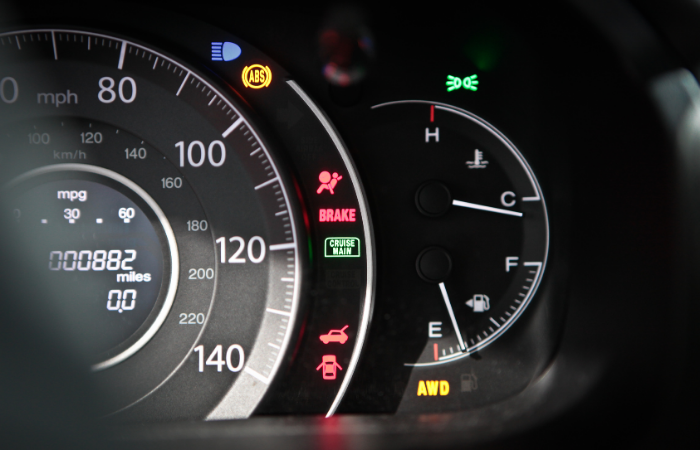
Sloman highlights six common dashboard warning lights that drivers should recognise.
1. Oil pressure warning
Usually represented by an oil-can symbol, this warning may indicate low engine oil pressure. Continuing to drive could cause serious engine damage.
If the light comes on while driving, stop as soon as it is safe to do so and switch off the engine. Check the oil level if you can do so safely. If the warning remains on after restarting, or you are unsure what to do, contact roadside assistance rather than risk further damage.
2. Engine temperature warning
A thermometer symbol above wavy lines generally indicates that the engine may be overheating.
Ignoring this warning can lead to expensive engine damage. Pull over safely, switch off the engine and allow it to cool.
Never open the coolant reservoir while the engine is hot, as pressurised coolant can cause serious burns.
If the engine continues to overheat or the coolant level is low, arrange professional assistance rather than continuing your journey.
3. Red brake warning light
Often displayed as an exclamation mark inside a circle, the red brake warning light may simply indicate that the parking brake is engaged.
If the light remains on after the parking brake has been released, it could signal low brake fluid or a problem with the braking system.
Pay attention to changes in how the brake pedal feels. If it becomes soft, spongy or noticeably different, stop safely and contact roadside assistance. Do not continue driving if you suspect the brakes are not functioning properly.
4. Anti-lock braking system (ABS) warning
The ABS warning light usually displays the letters “ABS” inside a circle.
If it illuminates, the anti-lock braking system may have developed a fault. Conventional braking may still work, but the anti-lock function could be unavailable, potentially affecting the vehicle’s ability to maintain steering control during hard braking.
Have the vehicle checked as soon as possible and consult the owner’s manual for guidance on whether it is safe to continue driving.
5. Battery or charging system warning
Represented by a battery symbol with plus and minus signs, this warning does not necessarily mean the battery needs replacing.
It may indicate a fault in the charging system, involving components such as the alternator, wiring or voltage regulator. If the system is not charging correctly, the vehicle could eventually lose electrical power.
Arrange an inspection as soon as possible and seek assistance if the vehicle shows signs of electrical failure.
6. Engine malfunction or check engine light
The engine-shaped symbol, commonly known as the check engine light, can indicate a range of problems, from relatively minor faults to more serious engine or emissions issues.
A steady light generally means the vehicle needs to be checked promptly. A flashing light can indicate a more serious fault, particularly if accompanied by poor performance, smoke, unusual noises or other warning lights.
If the light flashes or the vehicle behaves abnormally, pull over when safe and contact roadside assistance.
Know when to stop and when to seek help
A warning light does not automatically mean disaster, but it should never be ignored. Understanding the symbols on your dashboard and knowing how to respond can help protect both your vehicle and your safety.
“Your dashboard is your car’s way of flagging that something needs attention. But a warning light is not a diagnosis, because it doesn’t necessarily pinpoint the exact problem,” says Sloman.
He adds that having appropriate support in place can provide additional peace of mind when unexpected mechanical or electrical problems arise.
An extended motor warranty may offer an additional layer of financial protection, depending on the vehicle, the plan selected and the components covered. Roadside assistance can also provide support when a breakdown or warning light leaves a driver uncertain about what to do next.
Ultimately, knowing your dashboard warning lights, consulting your owner’s manual and responding promptly to potential problems can help make every journey safer and reduce the risk of avoidable repair costs.
‘We bring you the latest Garden Route, Hessequa, Karoo news’