

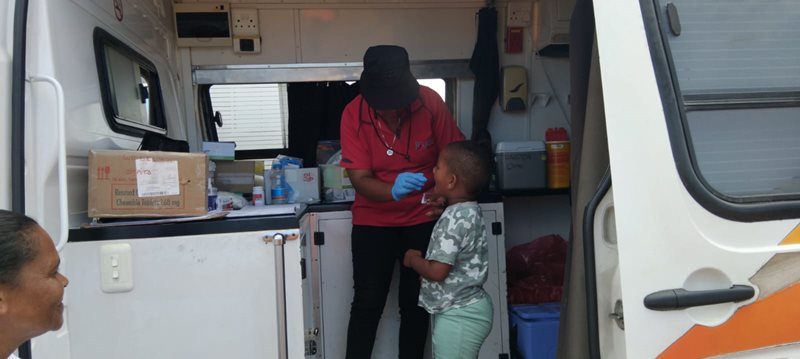
NATIONAL NEWS - The Western Cape is currently experiencing an increase in measles outbreaks in both urban and rural areas, including Khayelitsha, Mfuleni, Eerste River, Somerset West, Mitchells Plain, Kraaifontein, Wesbank, Du Noon, Fisantekraal, and Citrusdal on the West Coast.
At the same time, cases of diphtheria are still being managed in parts of the Cape Metropole.
This rise in cases is not unique to the Western Cape. South Africa is facing a decline in childhood vaccination uptake, posing a serious public health risk and threatening progress made in eliminating vaccine-preventable diseases.
Listen here: Measles and diphtheria outbreak. Sound clip: Monique Johnstone
This decline has contributed to outbreaks of measles, rubella and diphtheria, highlighting concerning gaps in population immunity.
Vaccination remains a top priority
Ensuring high immunisation coverage remains a key focus of the Western Cape Department of Health and Wellness. Since October 2024, the Department has intensified vaccination efforts to protect young children from serious and potentially life-threatening diseases.
As the festive season approaches, increased travel and family gatherings are expected, which may heighten the risk of disease transmission. Parents and legal guardians are therefore strongly encouraged to check their children’s vaccination status and make use of healthcare services to ensure children are fully immunised. This will help prevent severe illness, complications or hospitalisation during the holiday period.
Strengthened outbreak response
The Department has implemented an early warning and response system to manage these outbreaks. This includes:
Strengthened coordination of response efforts
Enhanced disease surveillance
Improved clinical management of cases
Increased community engagement
Targeted vaccination outreach programmes will focus on areas with rapidly rising measles cases, and public health facilities will remain open during the holidays to support immunisation services.
Protect your child from measles and diphtheria
Measles
Measles is a highly contagious viral disease that affects the respiratory tract. Symptoms include:
High fever
Rash
Runny nose
Red or watery eyes (conjunctivitis)
Cough
Healthcare workers can diagnose measles based on symptoms, with blood samples taken for laboratory confirmation if needed.
Parents are urged to keep children at home if they show any symptoms to help prevent the spread of the disease. If a child develops a fever, becomes unusually sleepy, or struggles to eat, they should be taken to the nearest clinic immediately.
Possible complications include pneumonia, diarrhoea, brain infection and blindness, with the highest risk among infants under two years of age and malnourished children.
Diphtheria
Diphtheria is a serious bacterial infection caused by a toxin that produces a thick coating in the throat or nose, making it difficult to breathe or swallow. Symptoms may include:
Sore throat
Mild fever and chills
Swelling of the throat and neck
White or grey coating at the back of the throat
Diphtheria spreads through coughing or sneezing and can be transmitted for up to two weeks after infection, particularly through prolonged close contact.
Vaccination is the most effective protection. Children should receive diphtheria vaccination as part of the Hexavalent vaccine at 6, 10 and 14 weeks, and at 18 months, with Tdap booster doses at 6 and 12 years. Anyone who is unvaccinated can contract diphtheria, and while it mainly affects children, all age groups are at risk.
Anyone experiencing symptoms should visit a health facility urgently for assessment and testing.
Free vaccinations available
Free childhood vaccinations are available at all public health facilities, with catch-up doses provided for children who have missed scheduled vaccines. Vaccines are also accessible through private healthcare providers and public-private partnerships.
Parents are urged not to assume their children are immune. Help protect our communities by ensuring children receive their routine immunisations and by signing consent forms when school vaccination teams visit.
Together, we can keep our children and communities safe this festive season.
‘We bring you the latest Garden Route, Hessequa, Karoo news’