


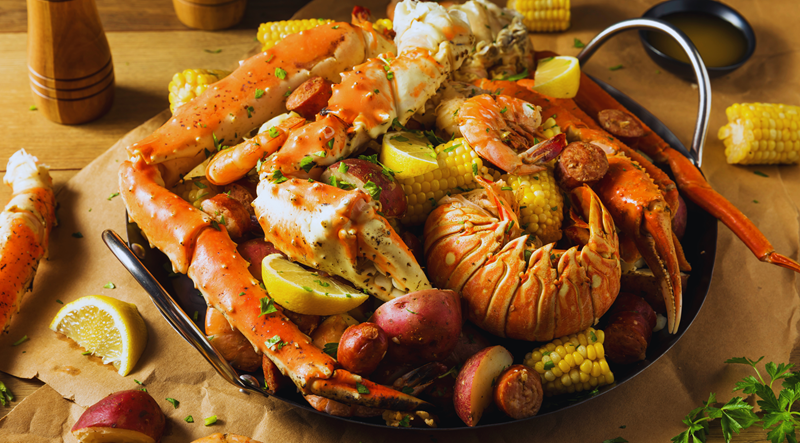
LIFESTYLE NEWS - For many, summer in South Africa is built around the ocean - snoek on the braai, calamari shared with friends, and fresh line fish at the coast.
But as seafood consumption reaches 325 000 tonnes a year, the choices we make at the counter carry more weight than ever.
Recent research by WWF-SASSI (The Southern African Sustainable Seafood Initiative) shows a promising shift: more than half of seafood-loving South Africans (52%) now consider sustainability when buying seafood. Yet almost one in three still aren’t sure whether their choices are helping or harming the ocean.
“You don’t need a marine biology degree to protect our ocean,” says Kirtanya Maharaj, WWF-SASSI Outreach and Awareness Manager.
“Simply use the WWF-SASSI seafood guide when shopping: Green-listed seafood comes from healthy, well-managed populations. Orange means there are concerns, so think twice. Seafood on the red list comprises protected or overfished species that are often caught in ways that harm our ocean and should be avoided entirely.”
Your Summer Seafood Swap Guide
By skipping what’s on the red list and swapping for a green-list alternative, you can make all the difference! Here are simple, sustainable swaps that keep your meals delicious and ocean-friendly:
Lobster
- Skip: West Coast Rock Lobster
- Swap: East Coast Spiny Lobster (Hand-caught)
Linefish
- Skip: Galjoen, Garrick, Geelbek
- Swap: Line-caught Snoek, Yellowtail, or Carpenter
Braai Favourites
- Skip: Squaretail Kob
- Swap: Shallow-water Cape Hake (MSC certified), Line-Caught Queen Mackerel, or Catface Rockcod
Calamari
- Skip: Argentine Shortfin Squid
- Swap: Cape Hope Squid (Chokka) caught by hand-jig
Tuna for Special Occasions
- Skip: Bluefin or bigeye tuna
- Swap: Pole and Line-caught Albacore (MSC certified), or Yellowfin Tuna from South Africa
Why Sustainable Seafood Makes for a Better Summer
“These swaps aren’t sacrifices,” notes Maharaj. “Green-listed seafood is more readily available, affordable, and every bit as flavourful. Our research shows taste and price remain the top priorities for shoppers and sustainable choices deliver on both.”
Choosing ocean-friendly seafood doesn’t just shape what ends up on the braai today. It helps conserve critical species and preserve the traditions that make us uniquely South African.
Three Questions to Ask Before You Buy
Not sure what to ask at the seafood counter? These three questions give you everything you need to match your purchase against the WWF-SASSI seafood guide
1. What species is this exactly?
2. Where was it caught or farmed?
3. How was it caught or farmed?
“Once people understand their options, 58% make the switch and stay with it,” Maharaj adds. “Small decisions by thousands of shoppers add up to real impact.”
‘We bring you the latest Garden Route, Hessequa, Karoo news’