

KNYSNA & PLETTENBERG BAY NEWS - As these two towns head into summer, residents may be tempted to take comfort from recovering dam levels.
But fuller dams do not necessarily mean the region is out of danger. The question is: how prepared are the greater Knysna and Bitou residents for a potentially hotter, drier and more fire-prone summer?
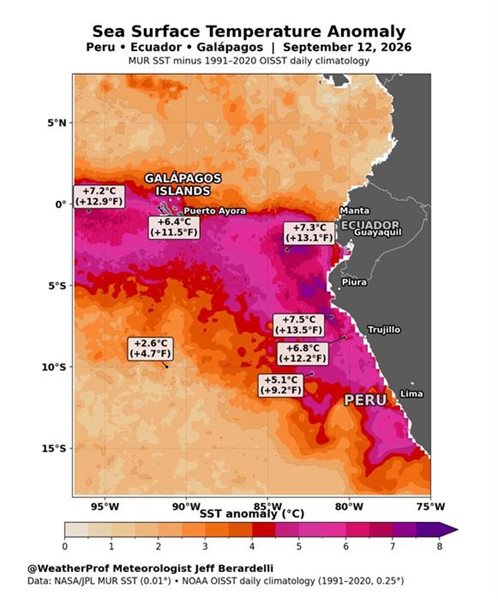
This warning comes as El Niño strengthens across the Pacific. The World Meteorological Organisation (WMO) says the event is expected to intensify towards the end of 2026, with its impacts potentially extending well into 2027. Dr Celeste Saulo, the WMO's secretary general, has described the exceptional El Niño as demanding "exceptional preparation and response". While the strongest direct El Niño effects are generally experienced in South Africa's summer rainfall regions, the Western Cape faces associated risks including extreme heat, wildfire danger and pressure on water resources.
For Knysna, the recent water crisis remains a warning. Akkerkloof Dam fell to critically low levels earlier this year before recovering following improved rainfall, river flows and infrastructure interventions. Water restrictions have since been eased.
However, residents have been urged not to become complacent. A healthy dam level today does not guarantee water security months from now.
Catchment rainfall, river inflows, evaporation, consumption, infrastructure losses and the duration of dry conditions all influence how long stored water will last.
Bitou faces a similar challenge. Its water supply is supported by several sources, including rivers, Roodefontein Dam, boreholes and desalination, but the municipality also experienced serious water scarcity earlier this year.
Preparedness starts now
The Western Cape Government has urged communities to take "no-regret" preparedness measures before conditions deteriorate.
Residents can:
• fix leaking taps, toilets and pipes
• reduce unnecessary water consumption
• reuse suitable greywater
• limit garden irrigation and choose drought-tolerant plants
• store an emergency supply of drinking water
• clear combustible vegetation around properties
• know local fire and evacuation procedures
• check on vulnerable residents during extreme heat.
The heat itself may become one of the biggest challenges. The European Union's Earth observation programme, Copernicus, which uses satellites to monitor climate, weather, oceans, land and the environment, reported that August 2026 was the warmest August on record globally, at 1.65°C above the estimated pre-industrial average, while global sea surface temperatures also reached record levels.
For Knysna and Bitou, preparedness should therefore not be measured simply by how full the dams are today. The real test will be whether households, businesses, municipalities and emergency services are ready if rainfall declines, temperatures soar and fire danger increases.
‘We bring you the latest Garden Route, Hessequa, Karoo news’