


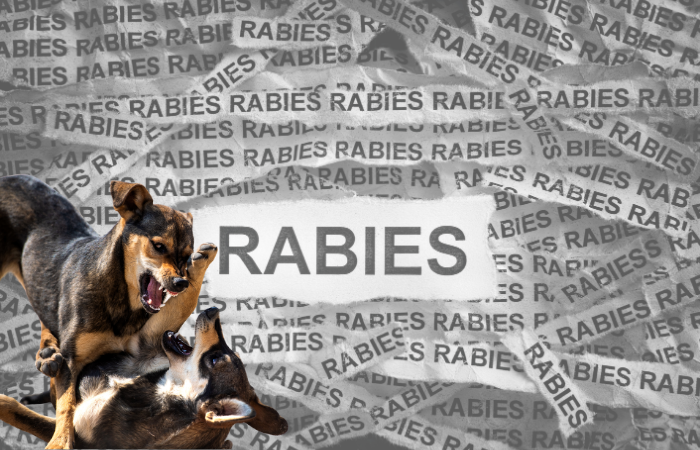
AGRICULTURE NEWS - Rabies remains a serious threat across all nine provinces, with significant hotspots in Limpopo, KwaZulu-Natal and the Eastern Cape.
According to the Department of Agriculture, as of 26 August, South Africa had recorded 15 human rabies deaths since the beginning of the year.
The cases include seven confirmed and two probable cases in the Eastern Cape, five confirmed cases in KwaZulu-Natal and one confirmed case in Limpopo.
The department also recorded 115 laboratory-positive animal rabies cases between 1 January and 31 July.
Agriculture Minister Willie Aucamp said preventing rabies required action from pet owners, communities, healthcare workers and authorities.
“Vaccinating dogs and cats, practising responsible pet ownership, reporting suspected cases and seeking prompt medical care after potential exposure are essential to preventing deaths,” he said.
Rabies is preventable
Rabies is almost always fatal once symptoms develop. However, deaths can be prevented through appropriate vaccination and timely post-exposure treatment.
The disease can affect any mammal, including domestic animals, livestock, wildlife and humans.
The department said regular vaccination of dogs and cats remains one of the most effective ways of preventing the spread of rabies and protecting households and communities.
Responsible pet ownership also includes preventing the movement of unvaccinated animals, monitoring animals for unusual behaviour and reporting suspected cases to the relevant authorities.
What to do after a possible rabies exposure
Anyone bitten or scratched by an animal suspected of having rabies, or exposed to the animal's saliva through a wound or mucous membrane, should immediately wash the affected area with soap and running water for at least 10 minutes.
Medical attention should then be sought without delay.
Post-exposure treatment can prevent rabies when administered promptly and correctly.
Rabies prevention requires community action
The department is working through the National Rabies Advisory Group with stakeholders to raise awareness and strengthen measures to protect both animal and human health.
Veterinary and para-veterinary professionals, healthcare workers, government departments, policymakers, communities, pet owners and animal welfare organisations all have a role to play in preventing rabies.
Members of the public can contact their local state or private veterinarian, animal health technician or animal welfare organisation for advice on rabies prevention and vaccination.
Details of provincial veterinary services are available through the Department of Agriculture.
World Rabies Day 2026
South Africa will join countries around the world in marking World Rabies Day on September 28, 2026.
This year's theme, “Stronger Together”, highlights the need for cooperation between communities, animal and human health sectors, governments and international partners to eliminate rabies.
Aucamp urged South Africans to take practical steps to protect themselves, their families, pets and communities.
“Through responsible pet ownership and acting quickly, we are ‘Stronger Together’ in the fight against rabies,” he said.
‘We bring you the latest Garden Route, Hessequa, Karoo news’